Originally published May 2023
The incalculable charm of a fried stick of potato garnished with salt and served piping hot
I think about French fries a lot.
Pommes frites, as they are called in France, even though they were invented in Belgium, are one of those popular foods that seem simple enough but are so easy to fuck up that they’re rarely done properly at all. It’s a lot like pizza that way. Pizza is nothing more than flour, water, yeast, salt, tomato sauce, and cheese. But bad pizza is the rule rather than the exception in most of the world.
There’s barely a restaurant in America that doesn’t serve fries in some form or another, and yet most of them are anywhere from forgettable to inedible. Why does it have to be this way? I’m betting that there was a time when fries in America were made with a higher standard in mind. But it was a small window.
You have to believe that the unparalleled success of the McDonald’s chain had a lot to do with the proliferation of French fries in America, and what we came to think of as quality. In the early days, they were hand cut, fried in beef tallow, and tasted like heaven on toast points. But then the health food people got after them, and they switched to tasteless canola oil in the 90s.
While they are still made with real potatoes, that’s not all they’re made with. There are ten ingredients that go into making a McDonald’s French fry. In addition to the potatoes, there is the vegetable oil (which contains canola oil, corn oil, soybean oil, and natural beef flavor with wheat and milk derivatives), dextrose, sodium acid pyrophosphate, and salt. This is modern prepared food at its finest (or worst).
It used to be that there was little better than a McDonald’s fry. Now they taste a bit like hot, salty cardboard with a life span of two minutes after you pull away from the drive-thru window.
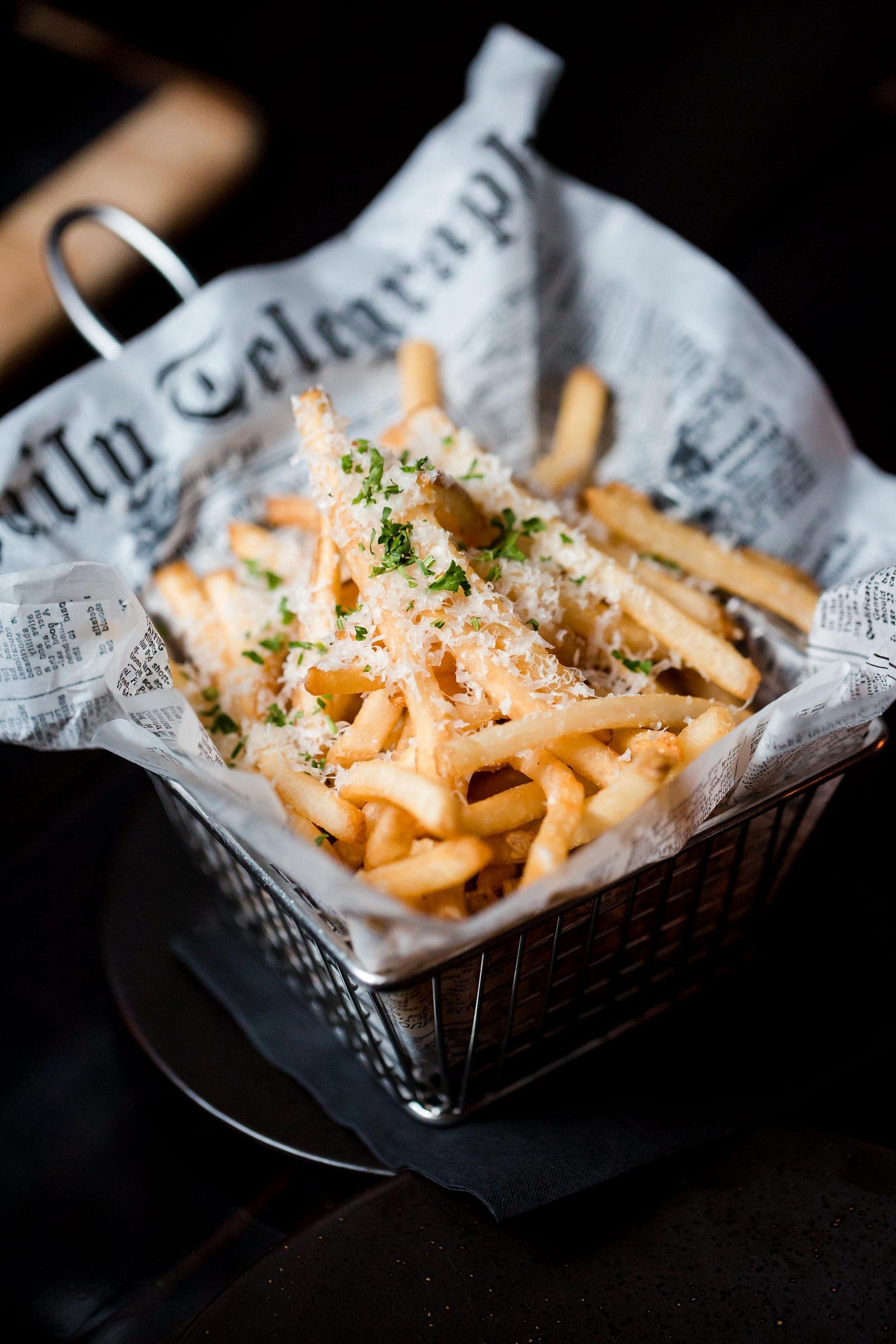
It was sometime past 1am, and we were feeling rather peckish, having spent the better part of the evening drinking in various establishments in and around the center of Oslo, Norway. So we were delighted to come across a food truck sitting alone in a public park specializing in the perfect delicacy for the occasion: Pommes Frites.
The fries were hand cut, almost shoestring in diameter, with remnants of the peel visible, served piping hot and generously salted, presented causally in a cone of newspaper that you simply rolled up and tossed into a nearby trash can when you were finished.
It’s true that my memory might have been unduly influenced by my being in a strange city, the late hour, or the healthy amount of alcohol consumed prior, but these fried potatoes were a revelation. The pinnacle of achievement for what I had previously thought of as the lowly French fry, or chip. These were pommes frites. Crispy on the outside, fluffy on the inside, full of flavor, and just the right amount of salt. They were sublime.
I have a theory. Yes, another theory. The nerds will jump out of the shadows now to explain that what I really mean is that I have a hypothesis, but if you don’t want your reader’s eyes to glaze over, just say you have a theory. They understand what they think that is. Anyway, I have a theory about restaurants in America, or more specifically, how more restaurants could distinguish themselves from their competition.
Make killer pommes frites.
The best fries in town. Become known for it. Be a leader. Search for excellence in your fry game. Deliver a small piece of Heaven to mere mortals and raise your own status to that of a modern god. If you do this, and a few other minor things, you can guarantee a steady stream of customers who will seek you out and travel unreasonable distances to find you.
It sounds too simple to be true, but it’s not. To me, it’s one of the great mysteries and an epic failure of the restaurant world that they have succumbed to frozen fries coated in artificial substances. They’re an abomination and the laziest of food choices on the menu.
The fact is that fries are an afterthought in America. A cheap side dish that restaurants can profit from instead of even cheaper potato chips (crisps). They don’t think of it as a main attraction.
Let’s take my home state of New Jersey. You can get a decent sandwich almost anywhere. It’s all about the bread, and only a little about the deli. But there are literally a handful of places where that same sandwich comes with amazing fries. If it did, you wouldn’t tell anyone about the sandwich. You’d tell them about the fries.
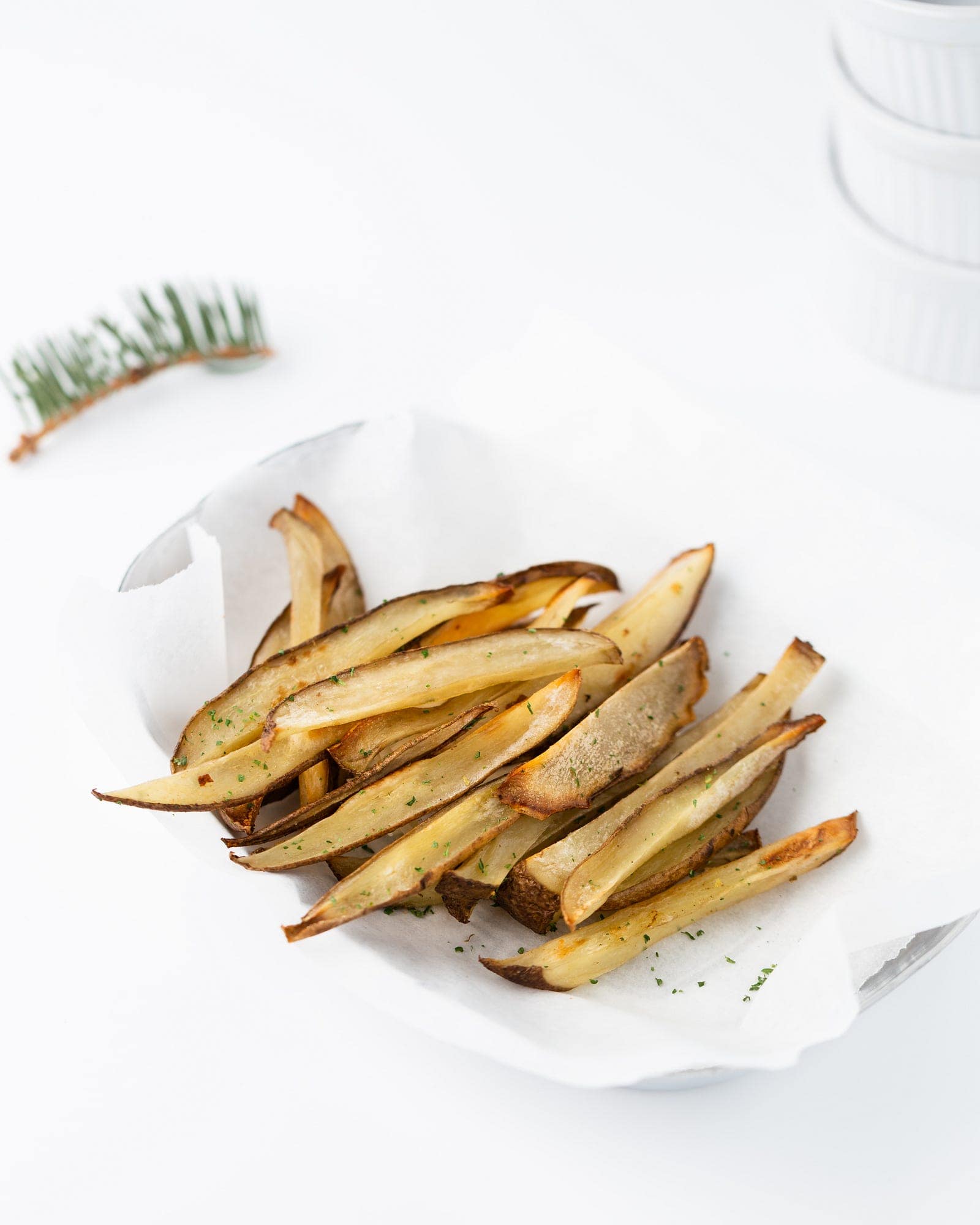
If you do a search for the best fries in your area, you will likely come across various lists that include everything from sweet potato fries (not real fries) to fried potatoes drowned in some other substance or product. Dumping cheese curds, gravy, chili, or melted Velveeta will not improve the quality of the fry. It only serves to mask mediocre product and raises the profit from that of a cheap side to a full-blown appetizer.
The other thing you’ll come across is a review of fast food restaurants and their fries. This is a strange bit of handicapping, like choosing which is the best fast food burger, rather than who has the best burger. When it comes to judging a real hamburger, we don’t even include shitholes such as McDonald’s. That’s not real food. Just like whatever garbage they push out the door at Pizza Hut or Dominoes is not really pizza by any reasonable definition.
Unfortunately, we have not yet risen as a culture to the challenge of elevating the lowly fry in a meaningful way. This is a missed opportunity and wide open for enterprising entrepreneurs and ambitious food writers. One local newspaper listed the fries of a local chain known mostly for coating average frozen fries with Old Bay and serving them with melted American cheese sauce. The local magazine didn’t bother with fries at all, preferring to get as esoteric as possible with their food choices.
Somewhere in the middle lies a recipe for success. The quality, unadorned fried potato, seasoned and salted, served in a paper cone, and preferably accompanied by a flute of Champagne. This is a perfect meal, whether it be 9am or 2am.
I urge you to discover your best fry. If you’re interested in trying to make your own, here is a recipe to get you started:
The Perfect Pommes Frites
The secret, according to all the experts, is to cook the potatoes not once, not twice, but three times. You must start with the right sort of potato, which is the Idaho or Russet, due to their density and low moisture content. After cutting your potatoes into your desired thickness, rinse them to remove the surface starch.
Fill a pot of water and simmer the potatoes to the point where they almost fall apart. The water should never reach a rolling boil. It usually takes 20 to 30 minutes, depending on the potato. Carefully remove the potatoes from the water and let them dry on a wire rack for 15 minutes. Once dry, place them in the freezer for an hour.
Heat your oil (use beef tallow or lard) in a fryer or pot until it reaches 250°F (130°C), and cook the potatoes until they begin to puff up and color slightly, about 5–10 minutes. Remove the potatoes from the oil, placing them on a rack over paper towels. Once cooled, put them back into the freezer for another hour. When you’re ready to eat and serve, heat your oil to 375°F (190°C) and cook your potatoes until they are golden and crisp, about 5–10 minutes. Remove from the oil, season liberally with sea salt, and serve immediately.
What you should end up with is a fry that has a tight, brittle exterior, and a fluffy center. The salt should accentuate the umami flavors of the beef tallow. You should eat them all while they’re nearly too hot to eat. The downside of pommes frites is that they have the lifespan of an old gnat. Eat them quickly.
Don’t forget the bubbly.
Follow David Todd McCarty on Mastodon.