Pursuing a creative endeavor should be all consuming or its not worth doing
Charles Bukowski, the famous poet, writer, and cantankerous drunk, famously published a bit of prose that challenged would-be writers not to bother even trying to write, unless they were compelled beyond anything reasonable. It was titled, “So You Want To Be A Writer.”
It reads, in part, “If it doesn’t come bursting out of you, in spite of everything, don’t do it.…If you have to sit for hours staring at your computer screen…searching for words, don’t do it. If you’re doing it for money or fame, don’t do it. If you’re doing it because you want women in your bed, don’t do it.…Unless it comes out of your soul, like a rocket, unless being still would drive you to madness or suicide or murder, don’t do it….When it is truly time, and if you have been chosen, it will do it by itself and it will keep on doing it until you die or it dies in you. There is no other way, and there never was.”
There are certainly people, including a handful of notable writers, who might dismiss this as the hyperbolic ranting of a demented misanthrope, and that can’t entirely be dismissed, but there is no denying that it shines a light on the truth that we should endeavor to spend time on only those things which we are compelled to do. If we don’t have to do it, we shouldn’t bother trying, we should find something else that compels us.
To quote Yoda, “Do, or not do. There is no try.”
Unless you feel compelled to act, beyond anything that is reasonable, logical, or sensible, you shouldn’t bother. As a famous actor once said, “If you can imagine yourself doing anything else, you should go do that.”
The point is, if you mean to take up writing or comedy, music or cooking, but feel as if you could just as easily go through life doing something else, then cease all efforts immediately, as it will be a complete waste of your time and will make you miserable. If, on the other hand, you feel as if you might go mad without pursuing your particular passion, that life itself would feel meaningless without it, then stop worrying about what anyone thinks of your efforts, and get on with it. Anything less is a waste of spirit.
There is no art without an audience. This is the great paradox of creative expression. We can’t pursue art by worrying about what others think of our art, but what they think drives so much of what we do. If you cook a meal and no one eats it, you’re not a chef and there is no meal. You might have animated plant material or animal flesh in a pan, but if no one consumed it, you simply created flavored fertilizer.
It’s a strange and wondrous thing to entice a stranger to consume the product of one’s imagination. It’s an existential gamble of the soul, as we are asking to be judged by those we do not know and who do not know us. The more committed we are to our ideas, the less interest we have in the opinion of others, but it is their opinion that matters, or so we have been led to believe.
This, is a fallacy, of sorts. We do, indeed, need an audience, but an audience of one is sufficient, and we are one. Creating is not success, and one is not dependent on the other. It’s the singular consciousness of one that matters to creating art and success is merely a byproduct of commerce.
Success in art is supposedly tied to public opinion, but even that is only tangentially true, as there are all manner of political machinations that occur within all types of artistic industries. Art dealers and music producers, restaurant owners and food critics, networks and publishers. It’s not the meritocracy we believe it to be, as it’s heavily tilted in favor of what the gatekeepers think will make them more money.
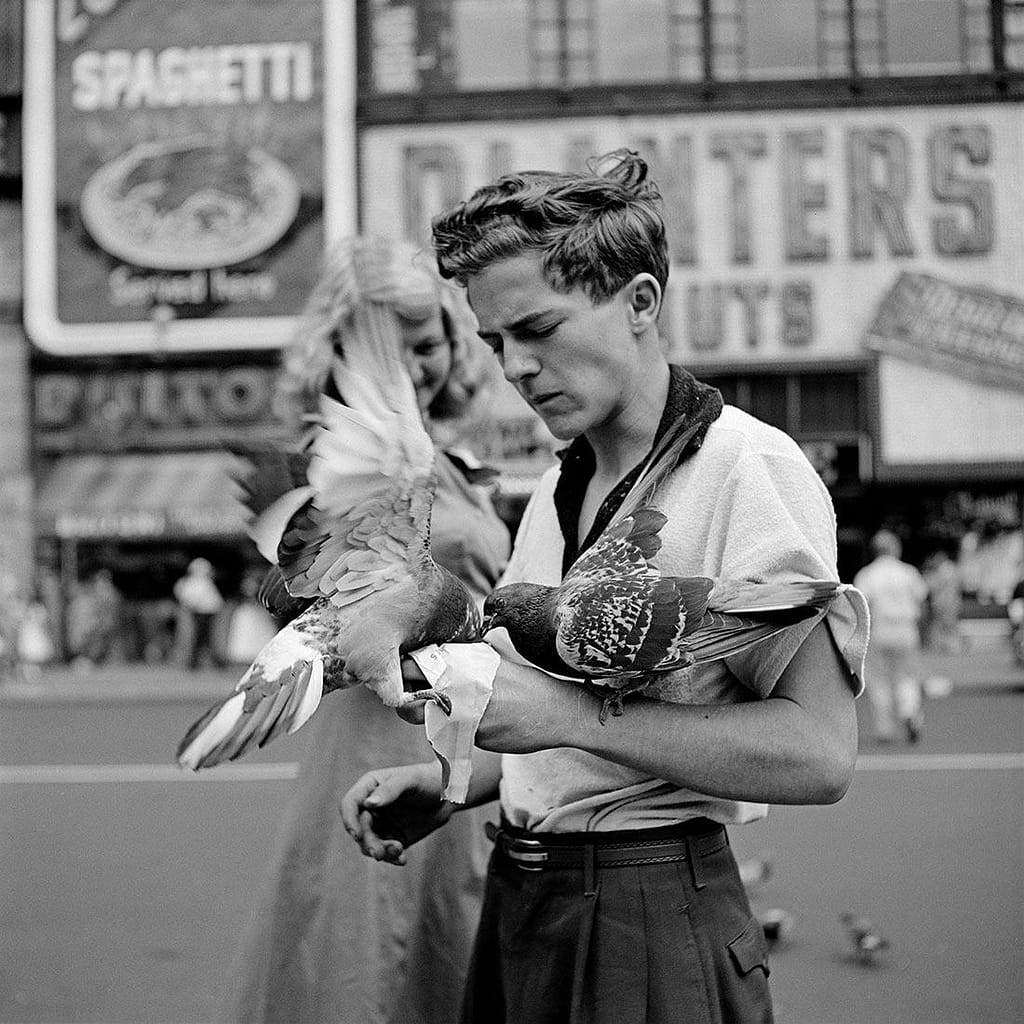
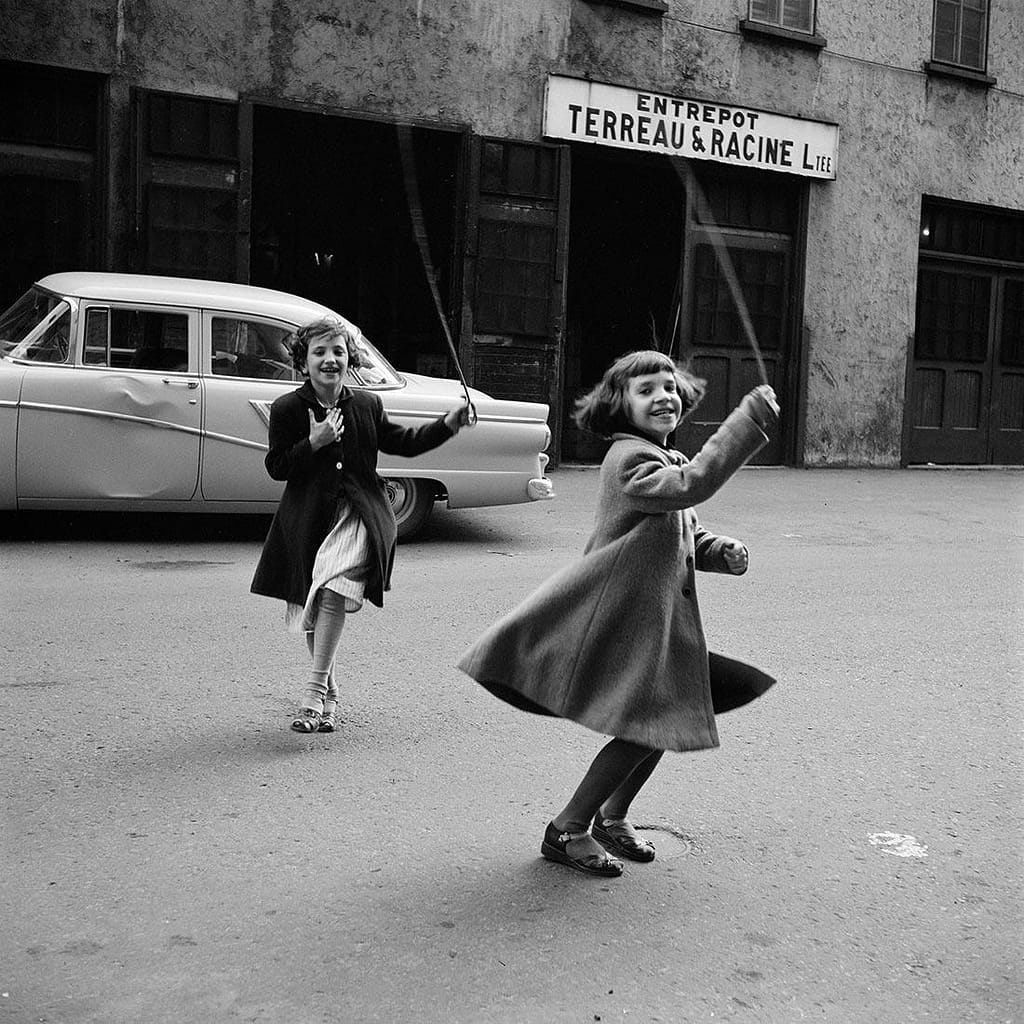
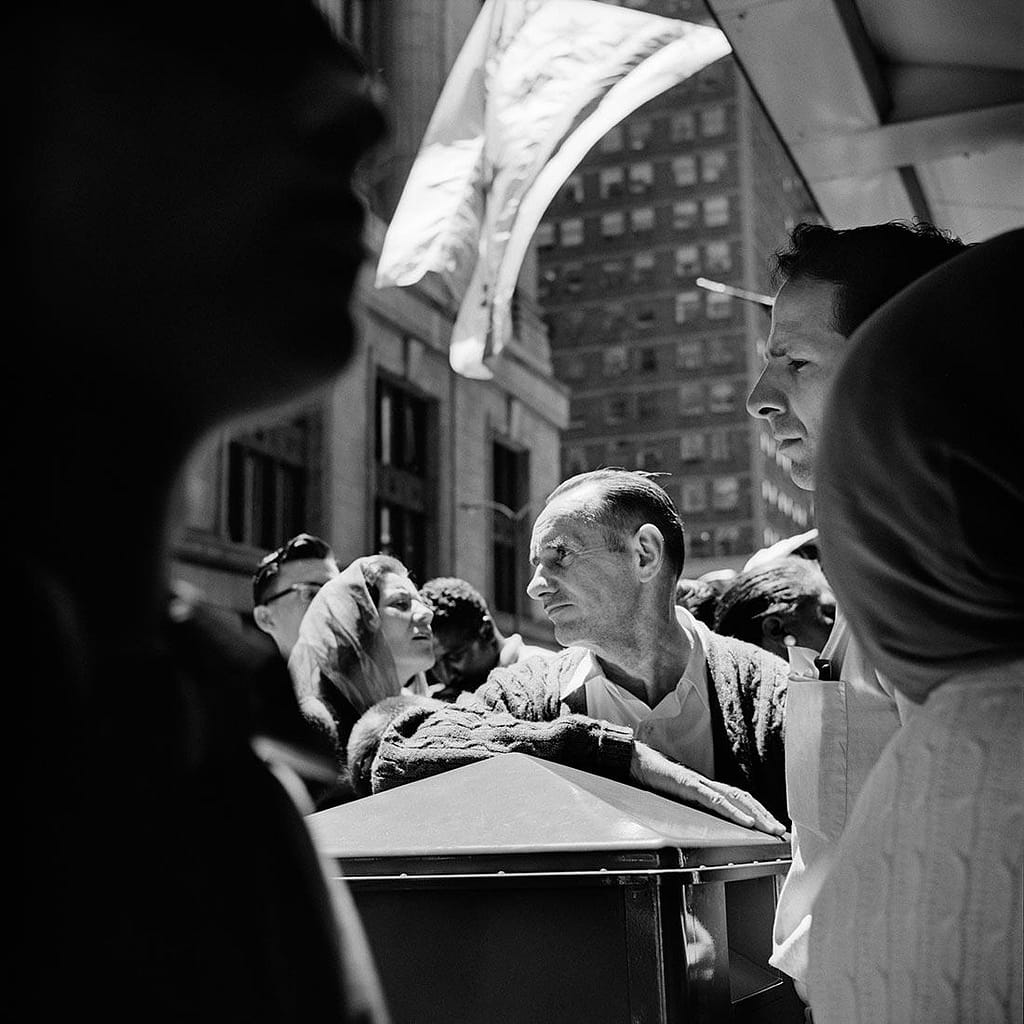
Vivian Maier was born in New York City in 1926, but was raised mostly in France. She began taking photographs in her early twenties, before moving back to America at the age of 25, where she found work as a nanny. On her days off, she would roam the streets of Chicago and document what she saw there. When she died in 2009, she left behind no family, but over 100,000 carefully constructed images that no one had ever seen but her. Today, Maier is considered one of the greatest street photographers of the 20th century, and yet she died anonymous, unheralded, and alone.
Every time I see her photography, I immediately want to run out into the street with a camera and document the mundane and everyday, just as she did. Would I commit to doing it for a lifetime without sharing it with anyone? I would not. I could not. I would want the recognition I feel I deserve and I would want someone to acknowledge my work and justify my existence. She chose a different path.
What drove Vivian Maier to create, then? It certainly wasn’t fame and fortune. She did not just fail to promote herself, she hid herself in plain sight on the streets of one of America’s largest cities. In fact, she seems to have gone to great lengths to keep her art a secret from the world. Why did she do it? She never said, and we don’t know.
Anything you dream up out of whole cloth, from the depths of your imagination, is art. This is different from craft. You can be a skilled technician, capable of executing the design of others with precision, but unless you go off script, and into uncharted territory, you’re not an artist, you’re a craftsman. A craftsman can be an artist and an artist can be a craftsman, but they are not the same thing.
An artist takes a leap of faith into the abyss with wild abandon. They do so, not because they can, but because they must. It’s a nearly involuntary reaction to the madness of existence. Something deep inside, causes us to leave the bounds of the known and venture into the unknown, to discover and examine, to taste and experience. We are explorers of the mind and we fear the mundane more than the unknown.
This is the great freedom of art. It’s a process of searching, not finding. There is no goal, no end, no conclusion. We begin as artists, as children, with what child psychologist Alison Gopnik calls “lantern consciousness,” which is different from the “beam consciousness” we develop later as adults. We take it all in, from all sides, without filter or preconceptions, and it is only later that we focus our efforts and can become craftsmen. But if we remain curious, and open to new things, we can take our craft, and use it to make art, so that others will recognize it as truth.
This is why art is so subversive to power. You can’t help but be changed by art that moves your soul and speaks the truth, which only happens when we offer up pieces of our own souls, which is what art is. A little piece of your soul, offered up to the world, that speaks the truth to other souls.
It’s a journey worth spending a life on.