The tricky nuances of visual identity and personal expression
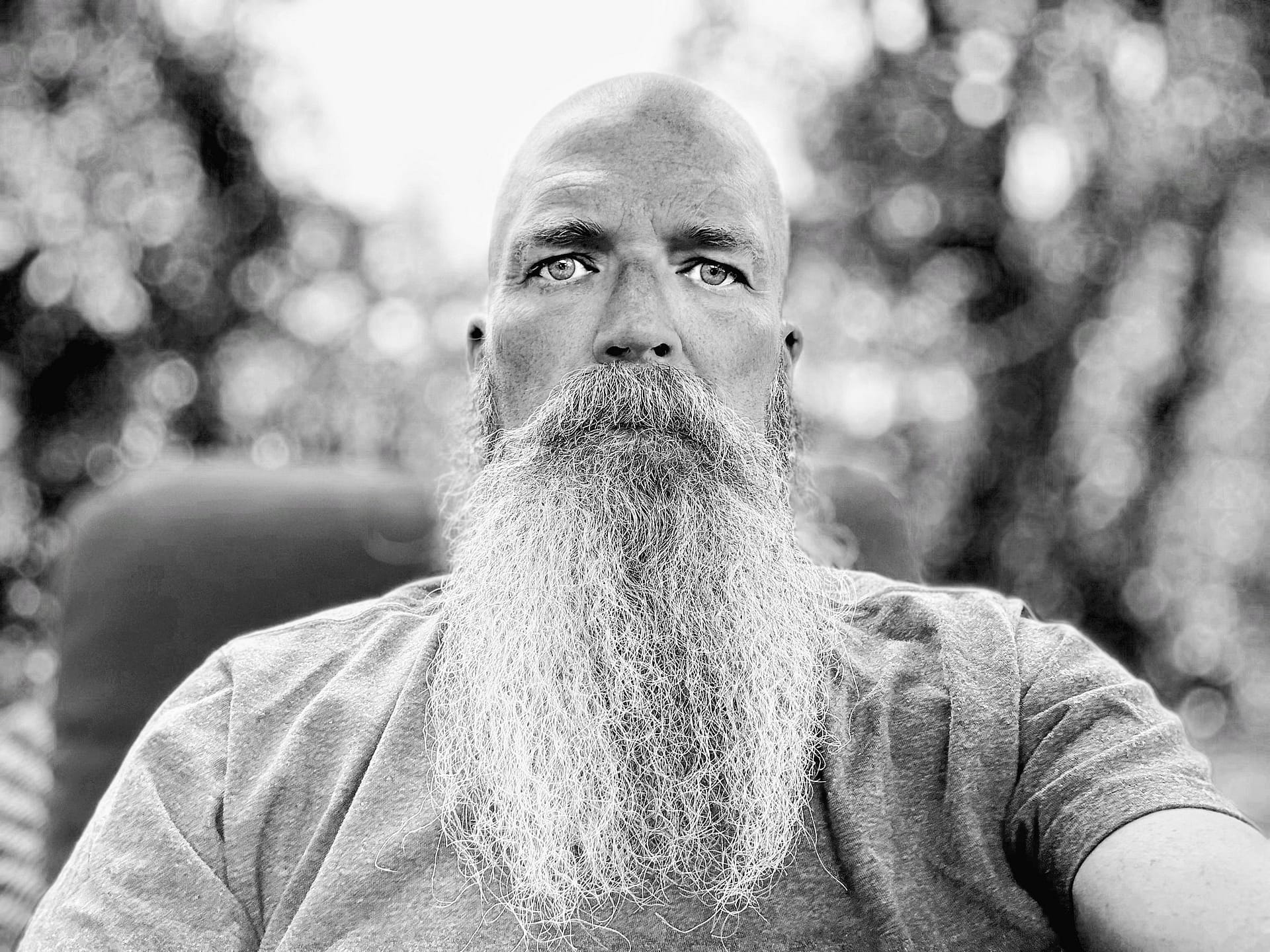
I lost the beard yesterday. The whole thing. Kaput. Gone. Adios. Sayonara. I went upstairs with a long, grey beard, and when I came down, it was gone. Just some stubble in the shape of a beard, like the shadow of an old foundation where a mighty structure once stood.
It startled my wife, to be sure. Even though she never even really cared for the beard, I’m sure she had grown accustomed to living with Fat Gandalf. There have been a lot of changes with me lately, including losing sixty pounds, and now this. God bless that woman.
There was something cathartic about the process of cutting it off; the progression of removal, as I took it down in stages. First, I took scissors to the bulk of the length. I tried shaping it differently, just for fun. At one point, I looked like some sort of blown-out Doodle. Next, I started in with the clippers, removing large chunks and filling the sink with hair, like I’d just shorn our old dog Seamus, a Chow/Shepherd mix who’s been dead fifteen years.
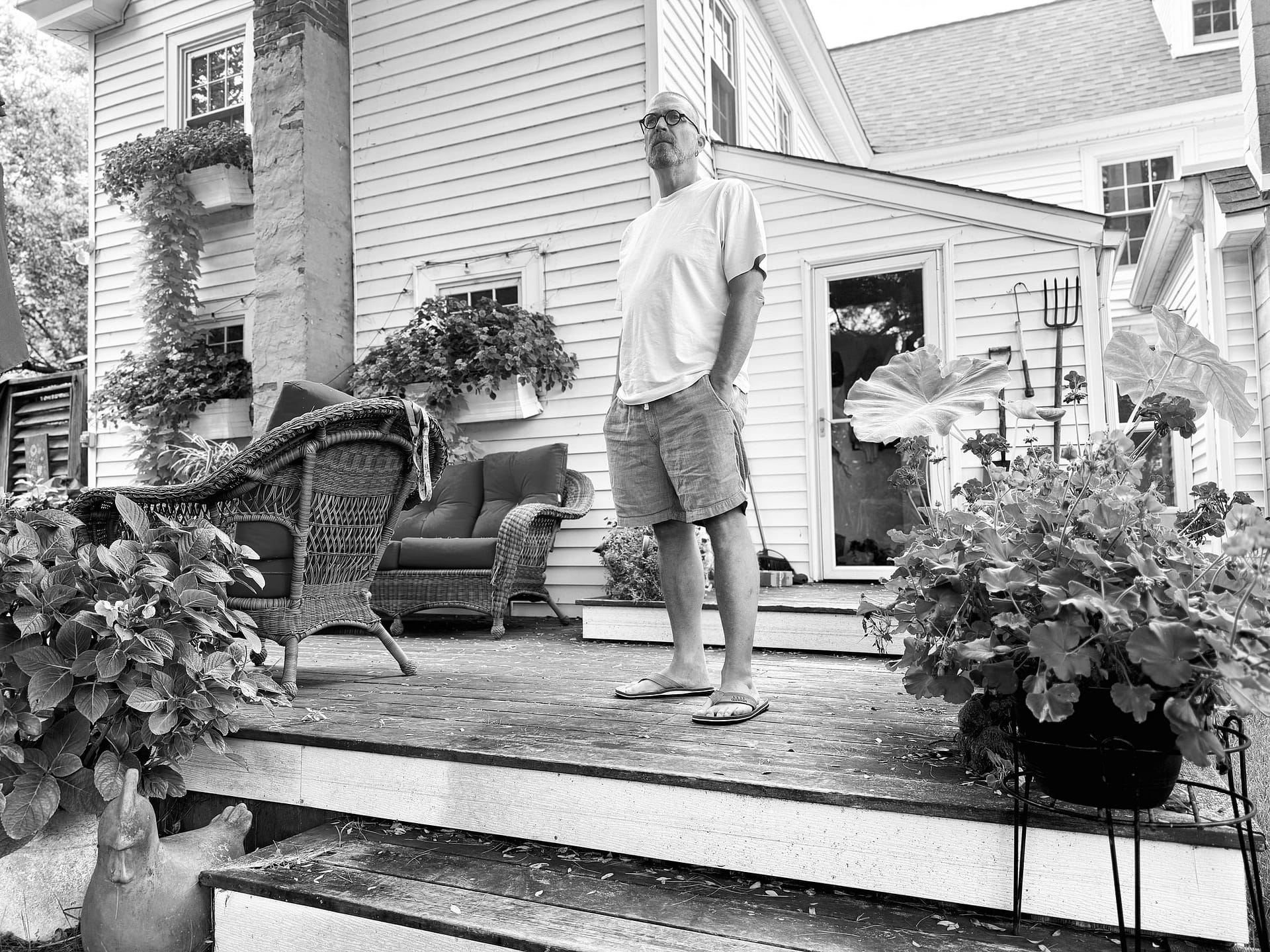
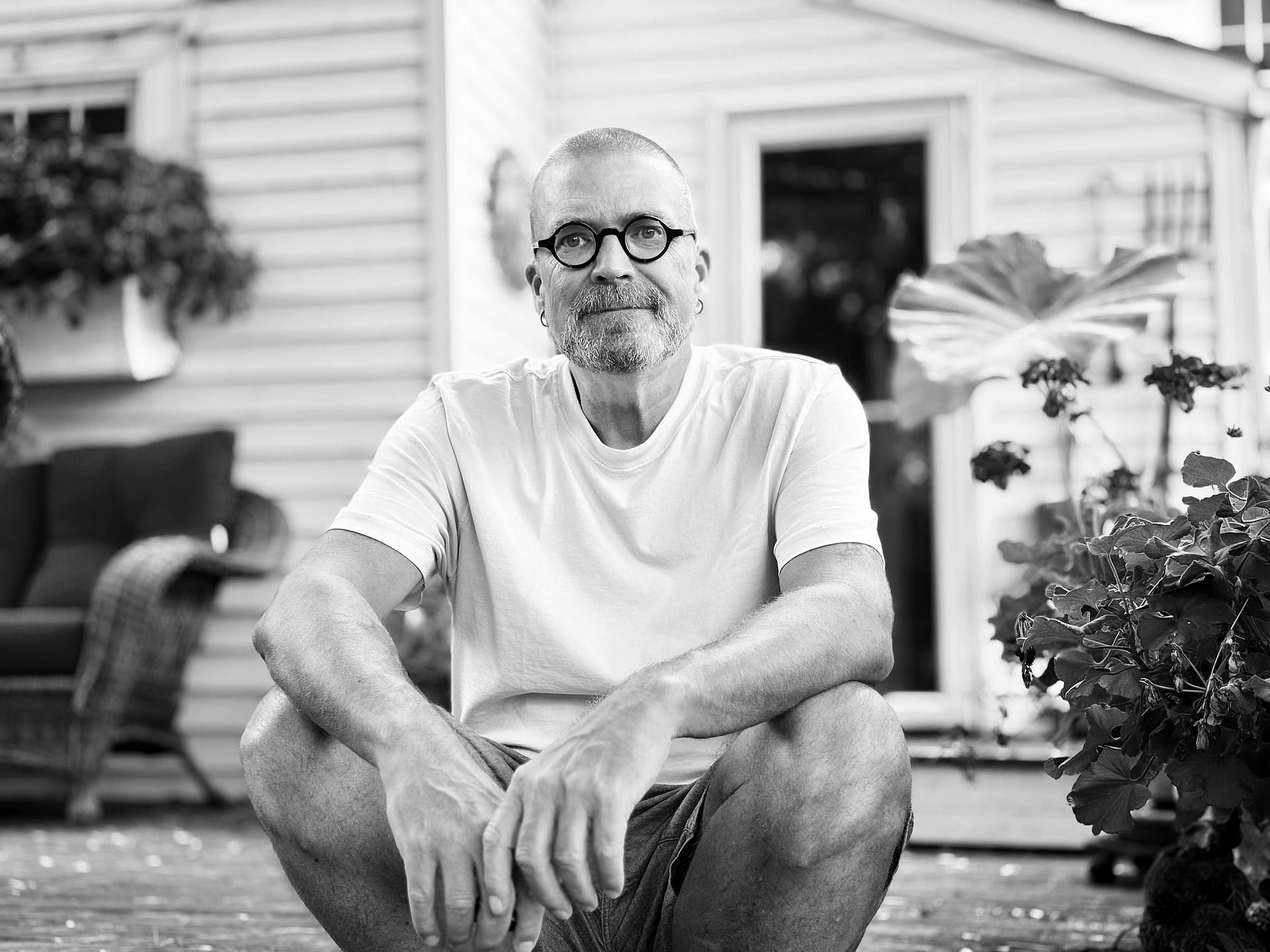
As I watched the beard fall away, it revealed a strange but somewhat familiar face hiding underneath, and when I finished, I was left with the reality of what I had done. I had inadvertently unmasked myself and found the face of my father staring back at me. I wasn’t entirely happy to see him, as he is no longer among the living, but at least it was a familiar face.
Hey there, Papa.
Even though I’d been sporting a freakishly long, mostly grey beard, it had been hiding quite a lot, at least from me. When you have a long, full beard, that is your primary, visual identity. Not short or tall, skinny or fat; not even necessarily old or young. The guy with the beard. I have a full head of hair that I’ve been buzzing pretty tight to the skull on and off for decades, so I’m not bald, but hair has not been a visual marker for me for quite some time now. I was the guy with the beard, and now I’m not.
“Why?” Jane wanted to know.
I’m not entirely sure, and still don’t have a good answer. I wanted a change, I suppose. A fresh start. A new look. After losing the weight, I felt like I needed to switch it up with a new approach to my personal aesthetic. I have done this periodically throughout my life, but it has usually been when I was younger. The purple Mohawk, the orange spiky creamsicle doo, the long ponytail, the slicked back pomp, the cleanly shaved dome, the many different forms of facial hair—not all of them judicious.
More than once, I have entirely altered my appearance, and it’s usually come with dramatic weight loss. The last time I did this, I had lost thirty pounds and then began growing my hair out over Christmas break. I swapped out glasses for contacts and shaved off my long beard, so when I returned to work, no one recognized me. I walked into the office, where I was a Partner, and the production manager asked if they could help me.
So, while this isn’t entirely new for me, I am no longer young, and what I found under all that facial hair was what appeared to me to be a thin, old man, and I’ll be honest with you, it freaked me out. Not just because the beard had been hiding signs of my impending decrepitude, but because I didn’t look like I expected to look.
What did I think I would find? I can’t say exactly, but I thought I would look younger, more fashionable, and more cosmopolitan without the big, grey, scraggly hillbilly beard. The truth is, I’m afraid I look old and frail, at least more than I was anticipating. I look like my Dad before he died.
Anytime you take big swings with your personal appearance, there’s a real potential for existential anxiety. What will people think? How will they react? We may pretend we don’t care what people think, but we do. We might be ambivalent about the details, whether they like this or don’t like that, but no one wants to be ridiculed or dismissed. We don’t want to be pitied or scorned. We want to be accepted and embraced as ourselves. The problem is that most of us don’t deal all that well with change. We prefer the devil we know.
When I was small, I wanted to be like everyone else. I wanted to fit in. But it didn’t take long before I began to go my own way and zig when everyone else zagged. I don’t think I was a contrarian, per se, but I had my own thoughts about life, and my own way of doing things. I was a budding nonconformist before I even knew what that was. If everyone else were standing, I would sit. When everyone was talking, I would be quiet.
I wasn’t necessarily trying to stand out, but I didn’t see much value in fitting in, either. If everyone was doing what I wanted to do, that was great, but I didn’t want to do what everyone else was doing just to be part of the herd. That seemed impractical and dull. Better to convince everyone to do what you wanted to do, or sit it out.
Being independent and willing to stand alone takes courage, as well as confidence in your own counsel. You can’t be too worried about what everyone else will think, but this comes with a certain amount of risk. If you fail, you will do so alone and unprotected by the herd. You will be solely responsible for your failure, and it will be on display for all to see.
Most people are unwilling to take that risk.
Not everyone has a strong visual identity, but many do. They become known for a particular look or style. They’re the guy who wears a beret or has a ponytail. They’re the artist who wears all black, or the musician who sports dark sunglasses indoors. Some people flaunt their bodies, while others hide them. The more you are known for a thing, the more people fear losing it. It’s why hair loss is such a difficult thing for most people, because you don’t get to choose.
When I shaved my head, I chose to do so. It was my choice. I could have hair or not have hair. That’s a powerful position to be in. I imagine this to be like a woman who is born flat-chested but who wants breasts, so they get breasts. Whether they become defined by their breasts depends on how they dress, but they have that option now. It’s their choice.
The worst thing I can think of is conformity, of being ordinary, pedestrian. That feels like death to me. I like being unique. I like having an iconic vehicle, funky glasses, and a creative wardrobe. I like standing out from the crowd. But I also don’t want to be defined by any one thing. I don’t want to just be the guy with the beard.
Legendary music producer Rick Rubin famously has a big, unkempt beard and wild gray hair, but it’s not why we know who he is. We know his work as a music producer for such pioneering acts as LL Cool J, Beastie Boys, Run-DMC, Public Enemy, Adele, Ed Sheeran, Lady Gaga, Metallica, Red Hot Chili Peppers, Weezer, AC/DC, Aerosmith, The Avett Brothers, the (Dixie) Chicks, Tyler Childers, and Johnny Cash. Of course, if he shaved it all off tomorrow, we likely wouldn’t recognize him. We’d have to figure out a new visual identifier for him. He would still be the same artist; we would just no longer recognize him.
In stand-up comedy, there’s a theory about how to improve your act by taking your strongest bit, your big closer, and opening with it. You are now fucked, as they say in the industry, because you have forced yourself to follow your best stuff, and that means everything else has to get elevated. It’s like blindfolding yourself so that your other senses are heightened, and then running into traffic.
This is what losing my beard is for me, I think. Removing the thing I’m most known for visually, and then seeing what evolves out of that. It’s handicapping yourself, and seeing how you respond, like pruning a tree so that new growth is possible. I can always grow the beard again, of course, and I probably will. In the meantime, I’m curious to see what new growth might look like as I push in on 60.
Hopefully it’s not a tail.
Follow David Todd McCarty on Mastodon.